
The Kind of Warmth That Makes a House Feel Like Home
There’s something deeply comforting about stepping inside on a cold winter evening and feeling warmth wrap around you. It’s one of those little luxuries we forget to appreciate—until it’s gone. When the furnace sputters out, the house quickly changes from a cozy refuge into a chilly reminder that comfort takes work. Heating systems, like anything else in life, don’t last forever without attention. And yet most of us only think about them when they stop working.
The small signs we tend to ignore
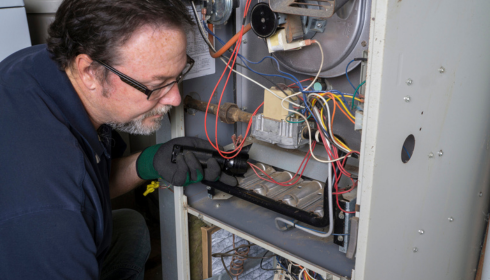
Funny how a house tries to warn us. A faint rattle when the system kicks on. Air that feels a little less warm than it used to. Energy bills climbing higher even though you’re using the same settings. These little hints are often brushed aside until the problem can’t be ignored. But that’s the thing—addressing issues early saves time, stress, and money. A straightforward gas furnace repair often prevents bigger headaches down the road. Think of it as listening when your house whispers instead of waiting for it to shout.
When repair isn’t enough anymore
Sometimes, though, no amount of patchwork will do. Just like an old car that costs more to fix than it’s worth, a furnace eventually reaches a point where replacement makes more sense. It’s not just about efficiency—it’s about reliability and safety. Modern systems are quieter, more energy-efficient, and often come with smart features that adjust to your habits. Choosing furnace replacement may feel like a big step, but in many cases it’s the choice that brings peace of mind. After all, warmth shouldn’t be something you gamble on when temperatures plunge.
Emergencies never follow schedules
Of course, heating systems don’t usually wait for convenient times to break. It’s never on a mild afternoon in October—it’s during that bitter January night when snow is piling up outside. That’s why emergency furnace service is such a lifeline. It’s not just about fixing equipment in a hurry—it’s about restoring comfort and safety when your family needs it most. Because when your furnace fails at 2 a.m., you don’t care about technical jargon—you just want the heat back.
Why maintenance matters more than we admit
Most of us know we should schedule regular check-ups but rarely do. It doesn’t feel urgent when the heat is working. The irony is that skipping maintenance often leads to the very emergencies we dread. A quick seasonal tune-up catches things like dirty filters, worn belts, or cracked heat exchangers before they spiral into disasters. It’s one of those unglamorous chores that pays dividends—not just in fewer repairs, but in lower bills and a longer lifespan for the system.
The cost of waiting too long
Neglect has a way of sneaking up. You think you’re saving money by putting off service, but what’s really happening is the system’s efficiency is dropping little by little. The furnace has to work harder, straining its parts, until one day it simply can’t keep up. By then, the repair bill is much higher—or replacement is unavoidable. Waiting rarely saves money; it usually just delays the inevitable and makes it more expensive.
Energy efficiency and your wallet
Modern furnaces aren’t just built to heat your home; they’re designed to do it smarter. They adjust output, minimize wasted energy, and keep temperatures steady instead of cycling constantly. The difference shows up not only in comfort but also on your utility bills. Homeowners often underestimate how much inefficient systems quietly cost them month after month. That’s why upgrading or maintaining isn’t just about staying warm—it’s about keeping more money in your pocket over the long run.
The human side of heating
At the end of the day, none of us really care about blowers, burners, or pilot lights. We care about family dinners that feel relaxed instead of chilly, kids sleeping soundly, and grandparents who don’t have to worry about drafts. Heating systems are the unsung heroes of daily life. When they work, they allow us to focus on what matters—sharing time with people we love instead of fretting about the temperature.
Planning ahead instead of reacting later
There’s a certain rhythm in homes where maintenance is planned, not postponed. The furnace gets checked in the fall, filters are swapped on schedule, and emergencies are rare. Compare that with households who wait until the system fails—and then scramble, stressed and cold, to get someone out in a hurry. Planning ahead isn’t glamorous, but it’s what keeps winter smooth and comfortable. It’s one of those habits that doesn’t just save money, it saves peace of mind.
Wrapping it up
Warmth is one of life’s simplest comforts, yet it takes effort behind the scenes to keep it steady. Whether it’s a quick repair, a full replacement, or an emergency call in the dead of night, the message is the same: your furnace deserves attention before it fails. Comfort doesn’t happen by accident—it’s built through care, foresight, and the occasional investment in reliability. And when you look at it that way, keeping your home warm isn’t just about machines—it’s about protecting the little moments that make a house feel like home.


