My Journey Through Traditional Chinese Massage in Melbourne
There’s something oddly comforting about the familiar hum of life in Melbourne — trams whirring past cafés, the scent of roasted coffee wafting down laneways, people jogging by the riverbanks — yet, somehow, in the chaos of routine, our bodies quietly beg for attention. Mine certainly did. I used to brush off the fatigue, write off the stiffness as just “one of those things,” until I stumbled upon something unexpected — a traditional Chinese Massage in Melbourne that changed how I viewed wellness.
This isn’t a story of some life-altering miracle or a clinical review. It’s just an honest take — from one tired body to another — about the kind of healing that doesn’t come from loud gyms or trendy treatments. It’s about slowing down, going deep (and I mean deep), and letting ancient wisdom meet modern muscle tension.
Not Just Another Massage – This One Has Roots
At first glance, you might assume a massage is a massage. You lie down, someone kneads your back, you feel relaxed — job done. But stepping into a Chinese massage clinic in the middle of Melbourne’s Chinatown told a different story.
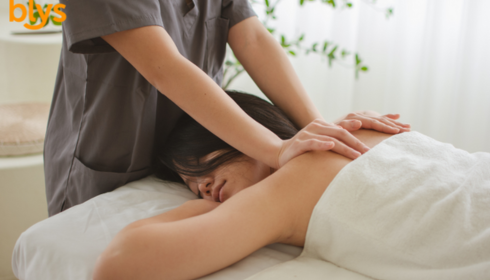
The ambiance wasn’t spa-luxurious. It was simple, clean, a little herbal in the air. But the difference was in the hands. The therapist didn’t start with small talk or scented oils — she began by feeling my pulse, asking about my digestion, sleep, emotional stress. It was holistic, intuitive, and oddly personal. It felt like she wasn’t just trying to relax me — she was trying to read me.
That session? It dug deep into years of neglect. I walked out sore, dazed, but clearer — not just physically, but in my head, too.
Tui-na Isn’t Gentle. But It’s Worth It.
So here’s the thing about Tui-na Massage in Melbourne: it’s not your typical “zen out” experience. It’s not always gentle, and you may not float out like you do after Swedish or hot stone massage. But what you do walk away with is something more foundational — like your body got rewired to function better.
Tui-na (pronounced twee-nah) is one of the oldest forms of Chinese therapeutic massage. It blends pressure, manipulation, stretching, and acupressure to open blockages in the body’s meridians — think of them like energy highways. The practitioners often work intuitively, not just targeting pain points but also addressing the source behind them. It’s hands-on, purposeful, and deeply restorative.
After my third session, I noticed subtle shifts — fewer headaches, easier breathing, less clenching in my jaw. My sleep improved, and weirdly enough, I started feeling more emotionally grounded. Who knew that a pressure point near the ankle could ease anxiety? But apparently, it can.
Melbourne’s Got a Quiet Treasure in Chinese Healing Arts
What surprised me most wasn’t just the effectiveness of the therapy, but how accessible it was in the heart of the city. Melbourne, with its multicultural spirit, has quietly built a network of traditional Chinese clinics that rival those you’d find in Asia.
From Collingwood to Springvale, there are dozens of trained TCM (Traditional Chinese Medicine) therapists offering everything from cupping to herbal consultations — and, of course, massage. You’ll find tucked-away places that feel like time capsules, complete with jars of ginseng and hand-drawn anatomy charts.
And the best part? These places aren’t trying to brand wellness as luxury. They offer healing as a necessity — for delivery drivers, office workers, grandparents, students. No pretension. Just skill and presence.
It’s Not a Quick Fix — It’s a Practice
Let me be real here: if you’re looking for a one-and-done massage that erases all your problems, this probably isn’t it. Chinese massage works best as part of an ongoing routine. Like brushing your teeth or stretching in the morning, it’s something that builds over time.
In fact, my therapist explained it perfectly: “Your body has patterns, habits, stories. We don’t erase them in one go. We rewrite them, little by little.” That stuck with me.
She wasn’t selling packages or promising overnight results. She was inviting me into a process — one that respected the long game of wellness.
The Little Things You Learn Along the Way
You start noticing details after a few sessions. Like how one side of your body carries more tension. Or how your breathing becomes shallow under stress. Or how digestion isn’t just about what you eat but also how you move. These insights sneak up on you, and they slowly make their way into your daily choices.
I stopped eating late at night. I began walking after dinner. I paid attention to posture — not because I had to, but because I felt the difference when I didn’t. The massage wasn’t just an event. It was a teacher.
A Few Tips If You’re Thinking of Trying It
- Ask around — Word of mouth is gold. Some of the best practitioners don’t advertise much. Locals know where to go.
- Don’t expect frills — The magic’s in the hands, not the interiors. A simple room can hold a lot of wisdom.
- Be open to discomfort — The pressure can be intense. Breathe through it. Trust the process.
- Drink warm water after — Helps flush out toxins. Cold drinks post-session are a no-no in TCM theory.
- Go in with curiosity, not expectations — You might go for back pain and walk out with a deeper sense of self.
Final Thoughts: Reconnecting to Your Body, One Pressure Point at a Time
Modern life pulls us in a hundred directions. We’re distracted, disjointed, disconnected — even from our own bodies. Chinese massage, especially Tui-na, feels like a quiet rebellion against that. It demands presence. It rewards surrender.
Whether you’re dealing with chronic pain, mental fog, or just a vague sense that something’s off, this kind of therapy offers more than relief — it offers reconnection.