
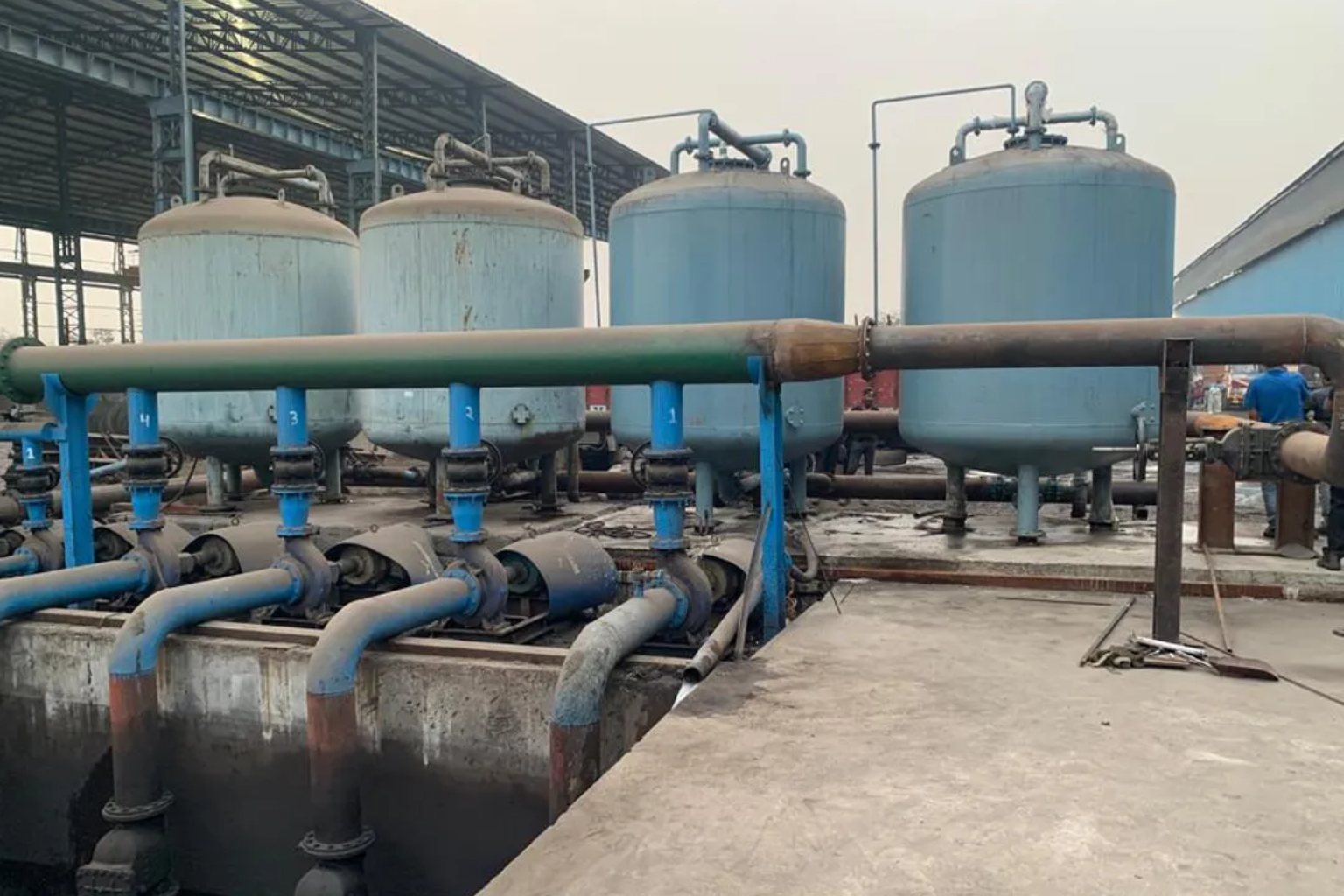
Keeping Water Flowing: Why Repairs, Filtration, and Treatment Matter More Than You Think
There’s something oddly comforting about the sound of running water. You turn a tap, and without thinking twice, clean water flows out. It’s one of those everyday miracles most of us overlook—until it stops working. Suddenly, the “invisible” systems that keep our homes and cities going become very, very visible. That’s when plumbers, technicians, and engineers step into the spotlight, reminding us just how fragile and essential our water infrastructure really is.
Think about it: water keeps your coffee brewing, your lawn alive, your showers hot, and your workplace functioning. But the systems behind it—pumps, filters, pipes, and treatment facilities—are under constant stress. Wear, age, and changing environmental conditions all take a toll. Sooner or later, repairs and replacements become unavoidable.
The Lifeline of a Good Repair
It always starts small. Maybe a pump rattles a bit louder than usual, or water pressure dips just enough to be annoying. Ignore it, and before long you’re dealing with serious disruptions. In cities like Charleston, where humidity, storms, and older infrastructure combine, it doesn’t take much for water equipment to misbehave. That’s when a reliable water pump repair service Charleston becomes more than just a convenience—it’s a lifeline.
A technician who knows the local systems can diagnose issues quickly, whether it’s a clogged impeller, a worn-out seal, or electrical hiccups. These aren’t problems you want to tinker with after watching a five-minute YouTube tutorial. Skilled repair services keep households running smoothly and businesses from grinding to a halt. And let’s be honest: nobody wants their workday derailed because the building’s pump decided to retire early.
When Replacement Becomes the Smarter Choice
Of course, repairs can only go so far. Like an old car that’s had one too many trips to the mechanic, some equipment simply reaches the end of its practical life. Water filtration systems are a perfect example. They work tirelessly in the background, protecting your family or business from contaminants you rarely think about. But filters degrade, technology improves, and water demands evolve. At some point, patching things up just doesn’t cut it anymore.
That’s when a water filtration system replacement makes sense. It’s not just about cleaner water—it’s about peace of mind. Newer systems often handle a wider range of impurities, run more efficiently, and reduce long-term maintenance costs. Plus, if you’ve ever lived with “hard water” that leaves spots on dishes and scale on fixtures, you know the relief of upgrading to something that actually works.
The decision to replace can feel like a headache upfront, but in reality, it’s an investment. It safeguards your health, your appliances, and even your property value. And if you’ve ever had to explain to guests why the tap water tastes a little “off,” you’ll appreciate the upgrade tenfold.
Beyond the Household: The Quiet Work of Treatment Specialists
Zoom out from your kitchen sink, and water gets even more complex. Municipalities and industries wrestle with wastewater every single day. What happens to the water after you’ve used it—the stuff swirling down drains and toilets—isn’t just “gone.” It has to be cleaned, tested, and treated before it can be safely released or reused. That’s where wastewater treatment specialists come in.
These are the unsung heroes of modern living. They monitor chemical balances, operate treatment plants, and constantly adapt to environmental regulations. Without their expertise, rivers, oceans, and groundwater would quickly become overwhelmed by pollutants. And the scary part? Most of us wouldn’t notice the impact right away. It builds slowly, until ecosystems collapse or drinking water sources become compromised.
Treatment specialists bridge the gap between our daily routines and the bigger picture of public health. They keep communities safe, industries compliant, and ecosystems alive. Their work is invisible until something goes wrong—but it’s some of the most important work happening behind the scenes.
Why All This Matters More Than Ever
If the past few years have taught us anything, it’s that infrastructure resilience is no longer optional. Storms are stronger, populations are growing, and aging systems are reaching their breaking points. Whether you’re a homeowner trying to keep your well pump alive, or a city engineer dealing with wastewater regulations, water systems demand constant attention.
But here’s the thing: taking care of these systems isn’t just reactive. It’s preventative. Regular maintenance, timely replacements, and proactive treatment keep small issues from spiraling into disasters. And the more we respect the complexity of water infrastructure, the better prepared we are for the future.
There’s also a human side to it. Behind every repaired pump or replaced filter, there’s a technician who takes pride in solving problems most of us never see. Behind every wastewater treatment facility, there’s a team of specialists working odd hours to keep contaminants out of our rivers. It’s not glamorous work, but it’s absolutely essential.
A Personal Connection to Water
Maybe this all sounds a little abstract until you think about your own relationship with water. Have you ever lived through a day-long outage? Or boiled water after a contamination alert? Suddenly, something as simple as brushing your teeth or making pasta becomes a logistical puzzle. You start to realize just how deeply you rely on systems you rarely acknowledge.
That’s why investing in water services isn’t just about pipes and pumps. It’s about preserving a lifestyle we often take for granted. Clean showers, safe drinking water, and functional plumbing are the baseline of modern comfort—and they’re worth protecting.
Final Thoughts
Next time you hear the low hum of a pump or see a water truck on your street, maybe pause for a second. It’s easy to dismiss this stuff as background noise, but it’s actually the soundtrack of modern life. From small-town repair crews to big-city treatment plants, people are working every day to make sure that when you turn the tap, water flows.
And maybe, just maybe, that’s something to appreciate a little more. Because when it doesn’t, life gets complicated fast. So whether it’s calling in a repair, upgrading a filtration system, or simply acknowledging the specialists who treat our wastewater, the message is the same: water deserves respect.
After all, it’s not just about plumbing—it’s about everything that water quietly makes possible.


